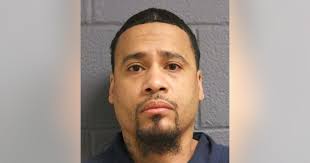
The news of Jarvis Butts’ death has reverberated across Michigan after officials confirmed he was found deceased in a Michigan prison facility just two weeks after being sentenced for the murder of a 13‑year-old girl. Butts, age 43, was serving a lengthy prison sentence when he was discovered dead in his cell at the Charles Egeler Reception and Guidance Center in Jackson, Michigan. Authorities have said his death is being investigated as a suicide, and corrections staff attempted life-saving measures that were ultimately unsuccessful.
The circumstances surrounding Jarvis Butts’ passing are tied closely to one of the most disturbing criminal cases in recent Michigan history — the murder of Na’Ziyah Harris, a 13-year-old girl from Detroit who disappeared in January 2024. Butts pleaded guilty in February 2026 to second-degree murder and multiple counts related to the sexual assault of minors, including Harris. At his sentencing on March 12, 2026, he received a 35 to 60 year prison term for her death as well as concurrent sentences for the other crimes.
The case drew widespread public attention not only because of the brutality of the crimes but also because Harris’ body has never been found. As part of his plea deal, prosecutors secured an agreement requiring Butts to provide information about the location of her remains to bring closure to her family — a promise that tragically went unfulfilled due to his death.
While Butts’ passing may bring an end to his chapter in the judicial system, it has stirred a complex mixture of reactions within the community, particularly among those who followed the case or were involved in broader efforts to seek justice for Na’Ziyah. His death reopens difficult questions about accountability, the impact of violent crime, and the unresolved search for answers surrounding Harris’ disappearance.
Corrections officials and law enforcement have urged respect for the ongoing investigation into the precise cause of death while emphasizing that the event occurred under official supervision. As Michigan grapples with the aftermath, the focus remains on the broader tragedies connected to the case and the enduring pain of those affected by it.
About the Author
