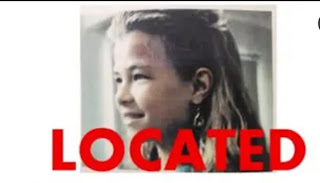
In May 1994, 13-year-old Christina Marie Plante disappeared from her quiet hometown of Star Valley, Arizona, leaving behind a family and a community desperate for answers. On May 15 of that year, Christina was last seen leaving her home on foot around midday, reportedly headed toward a nearby stable where she kept her horse. When she failed to arrive and did not return home, her parents and neighbors were thrown into deep concern. Despite immediate efforts, including local law enforcement searches, volunteer canvasses, missing-person posters, and entries in national missing children databases, authorities were unable to develop any viable leads, and her case gradually grew cold. For decades, Christina’s family endured uncertainty, clinging to the hope that someday the mystery of her disappearance would be solved.
At the time of her disappearance, officials classified the case under “endangered and suspicious circumstances,” given her age and the unexplained nature of her vanishing. Plante’s missing-person posters described her as last seen wearing a white T-shirt, multicolored shorts, and tennis shoes. Investigators pursued every available lead, yet none produced the breakthroughs that might reunite her with her loved ones. Over the years, the community’s collective memory of the event etched into local lore and cold case files, keeping the hope for answers alive.
Then, in April 2026, more than 32 years after she was first reported missing, the Gila County Sheriff’s Office announced a remarkable development: Christina Marie Plante had been found alive. Authorities confirmed her identity and declared her missing-person status officially resolved, although they chose not to disclose where she had been living or any details about her life during the intervening decades, citing respect for her privacy and well-being.
Officials credited modern investigative techniques and advances in technology — applied through a dedicated cold case unit — with enabling detectives to develop fresh leads that ultimately led to the breakthrough. Though the public still does not know the full circumstances behind her disappearance or what drove her to be out of contact for so long, the news of her being alive offers some closure to the community that had long hoped for answers.
The resolution of Christina’s case after such a long time highlights both the persistence of law enforcement and the power of updated investigative tools to bring long-awaited answers to families and communities alike. Her story stands as a reminder of the anguish that unresolved disappearances cause — and of the hope that even decades-old cold cases can sometimes be solved.
About the Author
